
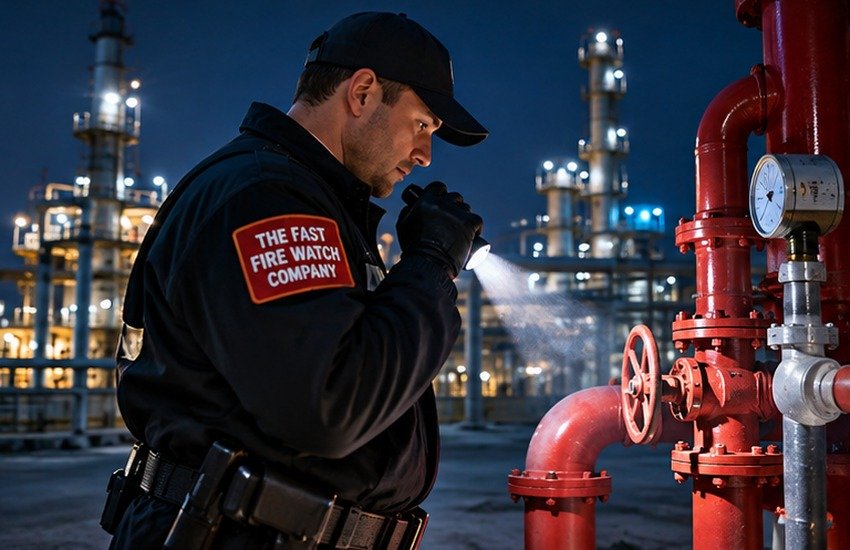
Understanding Fire Safety Challenges in Commercial Facilities
Commercial and industrial facilities depend on reliable fire protection systems to maintain safe environments for employees, contractors, visitors, and customers. Fire alarms, sprinkler installations, smoke detection equipment, and suppression systems work together to identify potential hazards and support emergency response procedures. However, unexpected equipment failures, maintenance requirements, construction activities, and utility interruptions can disrupt normal protection arrangements. Facility managers must understand how these situations affect building safety and determine which temporary precautions may be necessary to protect people and property.
Safety disruptions can occur without warning and may affect individual departments, entire buildings, or multiple operational locations. A malfunctioning alarm system, damaged sprinkler equipment, or interruption to a fire protection water supply can create additional responsibilities for building management. Facilities operating continuously may face further challenges because maintenance activities and equipment problems can affect different shifts. Having an organized response procedure allows management to assess changing conditions, communicate with responsible personnel, and arrange appropriate safeguards without unnecessary delays.
Common Situations That Require Additional Fire Safety Measures
Fire protection interruptions can result from several operational and technical problems. Sprinkler systems may require repairs because of damaged pipes, defective valves, or pressure irregularities. Fire alarm installations may experience electrical faults, communication failures, or problems involving detection devices. Scheduled inspections and equipment upgrades can also require temporary shutdowns. Facility managers should identify the affected systems and understand whether the interruption creates a need for additional precautions under applicable fire safety regulations and local requirements.
Construction, renovation, and industrial maintenance activities can introduce further complications. Contractors may use welding equipment, cutting tools, electrical machinery, or temporary power connections while working near combustible materials. These activities can increase fire risks, particularly when existing protection equipment is also unavailable. Management should coordinate with contractors before work begins and determine whether activities need to be restricted or suspended. A proper assessment helps ensure that temporary safeguards reflect the actual hazards rather than relying on assumptions about the nature of the disruption.
Assessing Safety Disruptions Before Arranging Coverage
A detailed assessment is an important first step when a facility experiences a fire protection interruption. Managers should identify the equipment involved, determine which areas are affected, and establish how the problem influences normal building operations. They should consider occupancy levels, combustible materials, nearby ignition sources, and the availability of other protective systems. A limited equipment fault may require a different response from an interruption affecting several floors or an entire industrial facility.
The assessment should involve qualified fire protection professionals and the authority having jurisdiction when appropriate. They can help determine whether additional monitoring, restricted access, alternative notification arrangements, or temporary operational changes are necessary. Management should also establish how long the interruption is expected to continue and whether the repair schedule could change. Documenting the findings provides a useful reference for supervisors, maintenance contractors, and other responsible representatives involved in managing the situation.
The Role of Professional Fire Watch Services During Disruptions
Professional fire watch services can provide additional observation when fire protection systems are impaired or when specific activities require designated monitoring. Assigned personnel observe identified locations, look for potential fire hazards, and communicate relevant information to responsible building representatives. Their responsibilities should be clearly established according to the facility’s layout, occupancy, operating conditions, and applicable safety requirements. Proper monitoring supports the wider emergency preparedness strategy while qualified technicians work to resolve equipment problems.
Facilities may require different arrangements depending on their operational needs. A warehouse might need observation around storage areas and loading facilities, while an office complex may require attention to affected floors and equipment rooms. Manufacturing plants can involve additional considerations because of machinery, production processes, and maintenance activities. Managers should explain these conditions before arranging coverage so that the proposed service addresses the property’s actual requirements. Temporary monitoring should complement permanent fire protection measures and should never be treated as their replacement.
Coordinating Emergency Coverage Across Different Facility Operations
Coordinating additional monitoring becomes more complicated when a facility contains multiple departments, operating zones, or separate buildings. Managers should identify the locations requiring observation and establish responsibilities for each assigned area. They should also consider employee schedules, visitor activity, contractor access, and changes in occupancy throughout the day. Large facilities may require several monitoring assignments to ensure that designated locations receive appropriate attention during the interruption period.
Arranging emergency fire watch coverage can help facilities address situations where additional monitoring is necessary during unexpected safety disruptions. Before deployment, building representatives should communicate the affected equipment, monitoring locations, expected coverage duration, access arrangements, and emergency contact procedures. They should also explain any operational restrictions and known hazards. This information helps establish clear expectations between management and the monitoring provider while supporting a coordinated approach to maintaining safe facility conditions.
Managing Employee and Contractor Safety During Disruptions
Employees and contractors should receive clear instructions whenever a fire protection system becomes unavailable or building safety procedures change. Management should explain which areas are affected, what temporary precautions apply, and how potential hazards must be reported. Workers should understand the relevant emergency procedures and know whom to contact when they identify unusual conditions. Communication should remain consistent across departments so that employees working different shifts receive the same essential safety information.
Contractors require additional coordination when their work could affect fire protection equipment or introduce ignition sources. Supervisors should review work permits, maintenance schedules, access restrictions, and applicable safety requirements before activities begin. If welding, cutting, grinding, or similar hot work is involved, the responsible employer should establish the required fire prevention measures and monitoring arrangements. Work should be stopped or postponed when necessary precautions cannot be maintained. Clear responsibilities help prevent misunderstandings and reduce avoidable risks during facility disruptions.
Establishing Effective Monitoring and Communication Procedures
An effective monitoring plan should explain where personnel must observe conditions and how they should report potential hazards. Depending on the facility, assignments may include designated floors, equipment rooms, storage areas, production zones, or construction locations. Monitoring schedules should reflect the building’s operating hours and the duration of the impairment. When continuous coverage is required, management should establish procedures for breaks, supervision, and shift changes to prevent interruptions in assigned responsibilities.
Communication procedures should identify the individuals responsible for receiving reports and coordinating corrective action. Monitoring personnel should have access to relevant contact information and understand how to raise an alarm when an immediate concern develops. Supervisors should also establish how new instructions will be communicated if repairs take longer than expected or additional areas become affected. Maintaining clear communication helps everyone involved understand changing conditions and ensures that monitoring arrangements remain suitable throughout the disruption.
Documentation and Reporting During Temporary Safety Arrangements
Documentation helps facilities maintain a reliable record of the actions taken when fire protection equipment becomes unavailable. Depending on applicable requirements, records may include the time an impairment was discovered, affected equipment, areas requiring monitoring, notifications made, personnel assignments, and maintenance updates. Keeping this information organized allows responsible representatives to review the situation and understand which temporary precautions have been established. It also supports communication between building management, contractors, and monitoring personnel.
Monitoring reports should contain relevant observations and information about conditions requiring attention. These may include newly identified hazards, changes in building occupancy, restricted access locations, or concerns involving combustible materials. Supervisors should review reports and coordinate appropriate corrective action with the responsible departments. Shift handovers should communicate outstanding concerns and updated instructions. Accurate documentation can also help management evaluate its response after the equipment has been restored and identify improvements for future safety disruptions.
Restoring Normal Fire Protection After Equipment Repairs
Restoring fire protection equipment requires appropriate inspections and testing by qualified technicians. Completing a repair does not automatically establish that the entire system is functioning correctly. Depending on the equipment involved, technicians may need to inspect control panels, detection devices, sprinkler components, valves, electrical connections, and communication systems. Facility managers should obtain confirmation that the affected equipment has been restored and follow applicable notification or approval procedures before returning to normal operations.
Temporary monitoring should continue until the responsible parties determine that the necessary protection has been restored and additional precautions can safely end. Management should communicate restoration updates to employees, contractors, and other relevant occupants. Any temporary restrictions should remain in place until they are appropriate to remove. Records should also be updated to reflect completed repairs and the end of temporary coverage. A controlled transition helps avoid premature changes to safety arrangements and ensures that everyone understands the current protection status of the facility.
Strengthening Facility Preparedness for Future Safety Disruptions
Preparing for unexpected fire protection problems can help facilities respond more efficiently when equipment becomes unavailable. Managers should maintain accurate equipment records, schedule preventive maintenance, and establish procedures for reporting system impairments. Emergency contact lists should remain current, and employees should understand their responsibilities when normal safety arrangements change. Reviewing these procedures periodically helps identify weaknesses and provides opportunities to improve communication between building management, contractors, and maintenance teams.
Facilities should also establish relationships with qualified service providers and understand the process for arranging temporary monitoring when required. Previous equipment interruptions can provide useful information about response times, communication gaps, and operational challenges. Management can use these findings to improve future planning and strengthen its emergency preparedness procedures. By combining preventive maintenance, appropriate monitoring, qualified technical support, and clear communication, commercial and industrial facilities can manage unexpected safety disruptions more responsibly while protecting occupants and business operations.