
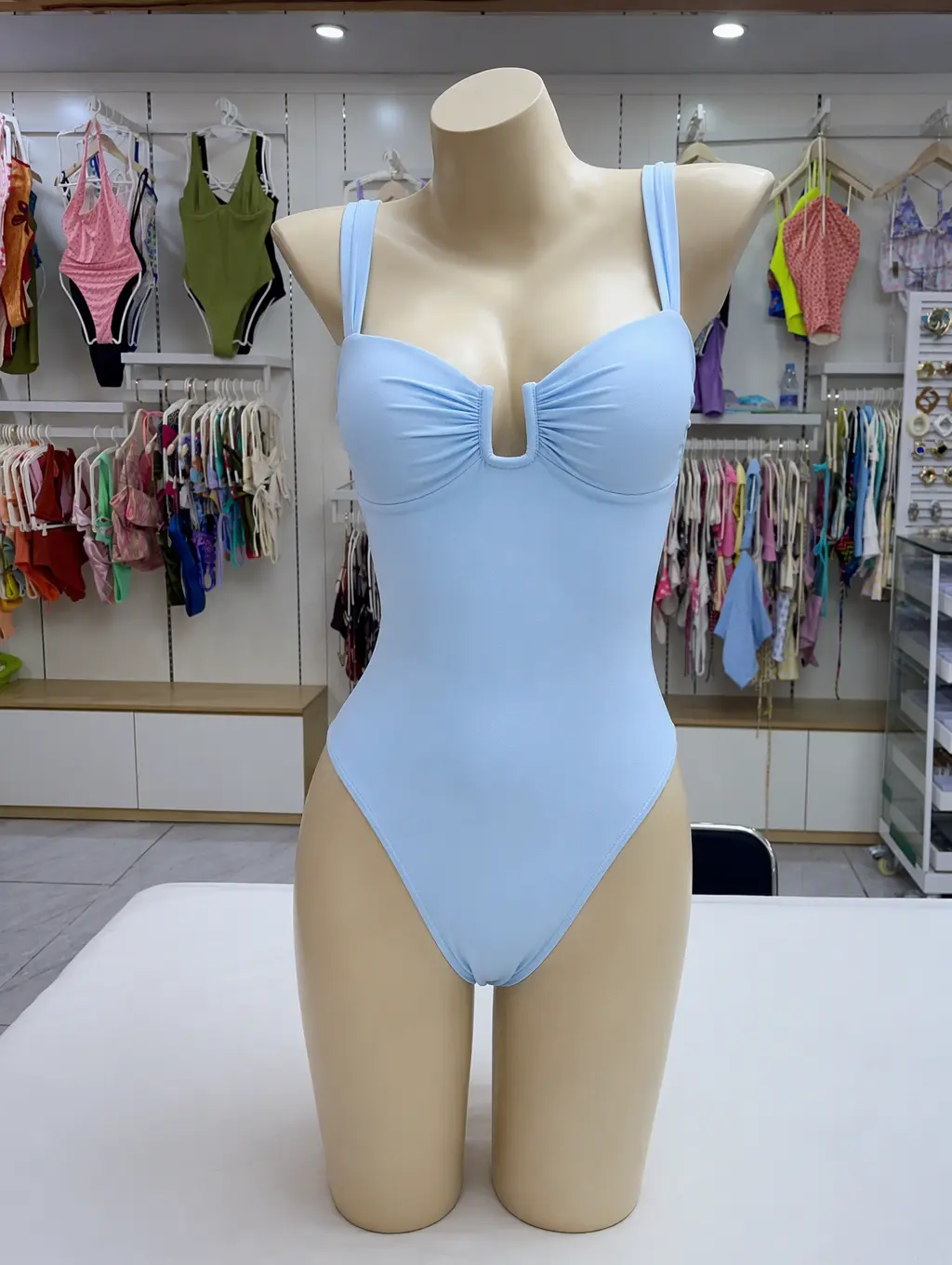
Custom one-piece swimsuits have transformed from a niche athletic requirement into a powerhouse category in contemporary swimwear fashion. Whether you are launching an eco-conscious resortwear brand, outfitting a competitive swim team, organizing a high-profile corporate event, or looking to craft your own signature style, designing custom one-piece swimsuits offers complete control over fit, function, and artistic expression.
Unlike off-the-rack alternatives that often compromise on torso length or support, custom swim garments allow creators to tailor every variable—from high-cut legs and sculpting compression fabrics to bespoke digital prints and ethical manufacturing paths.
Creative Design Ideas for Custom One-Piece Swimsuits
Designing custom one-piece swimsuits allows you to rethink traditional silhouettes and introduce innovative aesthetics that match your brand identity or target audience.
Modern Silhouettes and Structural Innovations
- Asymmetrical and One-Shoulder Cuts: Elegant and eye-catching, one-shoulder designs bring architectural beauty to the beach. Incorporating removable straps provides structural support while keeping the silhouette sleek.
- Plunging V-Necks with Mesh Panels: Deep necklines paired with sheer mesh inserts deliver a daring aesthetic without sacrificing security, structural integrity, or bust support.
- High-Cut Legs and Retro Motifs: Drawing inspiration from 80s and 90s fashion, high-cut leg openings elongate the legs while offering a flattering, vintage-inspired silhouette.
- Cut-Out Accents: Strategic side, waist, or midsection cut-outs create the visual charm of a two-piece swimsuit while maintaining the seamless security and coverage of a classic one-piece.
Functional Features for Action and Comfort
- Adjustable Tie-Backs and Convertible Straps: Customizable strap configurations ensure that different body types achieve a tailored fit, reducing return rates for swimwear brands.
- Built-in Shelf Bras and Molded Cups: Offering optional bust support—such as removable padding, underwires, or compressive underbust bands—makes custom one-piece swimsuits accessible and comfortable for diverse shape preferences.
- Reversible Designs: Utilizing dual-layer color schemes or pairing a solid shade with a vibrant print gives wearers two distinct looks in a single garment, adding immense consumer value.
Bespoke Patterns and Branding
- Sublimation Surface Prints: Direct-to-fabric digital printing allows for unlimited creative expression, including hand-painted florals, vibrant abstract art, micro-patterns, and rich tropical landscapes.
- Subtle Branding Details: Modern brands elevate custom one-piece swimsuits using heat-transfer logos, custom metal hardware (such as gold or matte black rings and sliders), and branded lining textures.
Selecting High-Performance Swimwear Fabrics
The foundation of high-quality custom one-piece swimsuits rests on choosing materials that balance stretch, durability, opacity, and tactile comfort. Swimwear operates in demanding environments exposed to UV rays, salt water, chlorine, and sunscreen oils.
Core Fabric Blends
- Nylon-Spandex (Polyamide-Elastane): The industry standard for fashion swimwear. Nylon provides a buttery-smooth hand feel, rich color saturation, and exceptional stretch recovery.
- Polyester-Spandex: Highly favored for activewear and competitive swimwear due to its superior resistance to chlorine degradation and fade-resistant properties under intense sunlight.
Eco-Friendly and Recycled Textiles
- Econyl® (Recycled Nylon): Engineered from regenerated nylon waste such as discarded fishing nets, ocean plastic, and fabric scraps, Econyl delivers premium compression and performance while appealing to environmentally conscious consumers.
- Repreve® (Recycled Polyester): Crafted from recycled plastic bottles, this material offers durable performance, high chlorine resistance, and smooth printable surfaces for custom graphic work.
Specialized Textures and Finishes
- Ribbed Fabrics: Textured ribbed knits remain a top trend, adding tactile interest, stretch flexibility, and natural sculpting properties.
- Crinkle and Jacquard Knits: Highly expandable textured fabrics allow for flexible sizing options, creating body-conforming fits across a wide array of silhouettes.
- UPF 50+ Sun-Protective Fabrics: Essential for children’s swimwear, athletic lines, and outdoor performance gear, offering maximum defense against harmful UV rays.
Production Options and Manufacturing Pathways
Bringing custom one-piece swimsuits to life requires choosing a production method aligned with your budget, order quantities, and speed-to-market goals.
Low-Minimum / Print-on-Demand (POD) Production
For independent creators, boutique test runs, or personalized single pieces, print-on-demand services provide a low-risk entry point.
- Pros: Zero inventory costs, automated fulfillment, and rapid testing of new visual concepts.
- Cons: Higher unit costs, limited control over fabric selections, and standard template patterns.
Cut-and-Sew Manufacturing (OEM/ODM)
Working directly with specialized swimwear factories allows complete creative freedom over every seam, lining layer, and custom pattern detail.
- Original Equipment Manufacturer (OEM): You provide tech packs, pattern files, and fabric specs; the factory handles cutting, printing, stitching, and finishing.
- Original Design Manufacturer (ODM): Ideal for brands wanting private-label customization using a factory’s pre-developed fit templates and existing material catalogs.
Key Technical Considerations During Production
- Tech Pack Development: Clear specifications detailing tech measurements, stitch types (such as flatlock or zig-zag seams), fabric weights (GSM), hardware finishes, and grading charts are critical to avoid sampling errors.
- Sampling and Fit Testing: Always sample custom one-piece swimsuits on fit models to check torso stretch, seam tension, bust positioning, and opacity when wet.
- Quality Control and Testing: Ensure materials undergo rigorous testing for colorfastness, chlorine durability, UPF rating validation, and stretch recovery before committing to bulk runs.
Final Thoughts
Crafting exceptional custom one-piece swimsuits requires a thoughtful balance between artistic design, material performance, and precision manufacturing. By selecting resilient recycled fabrics, engineering versatile silhouettes, and choosing the right production partner, you can create high-quality swimwear that stands out in a competitive market while offering unmatched comfort and confidence to the wearer.