
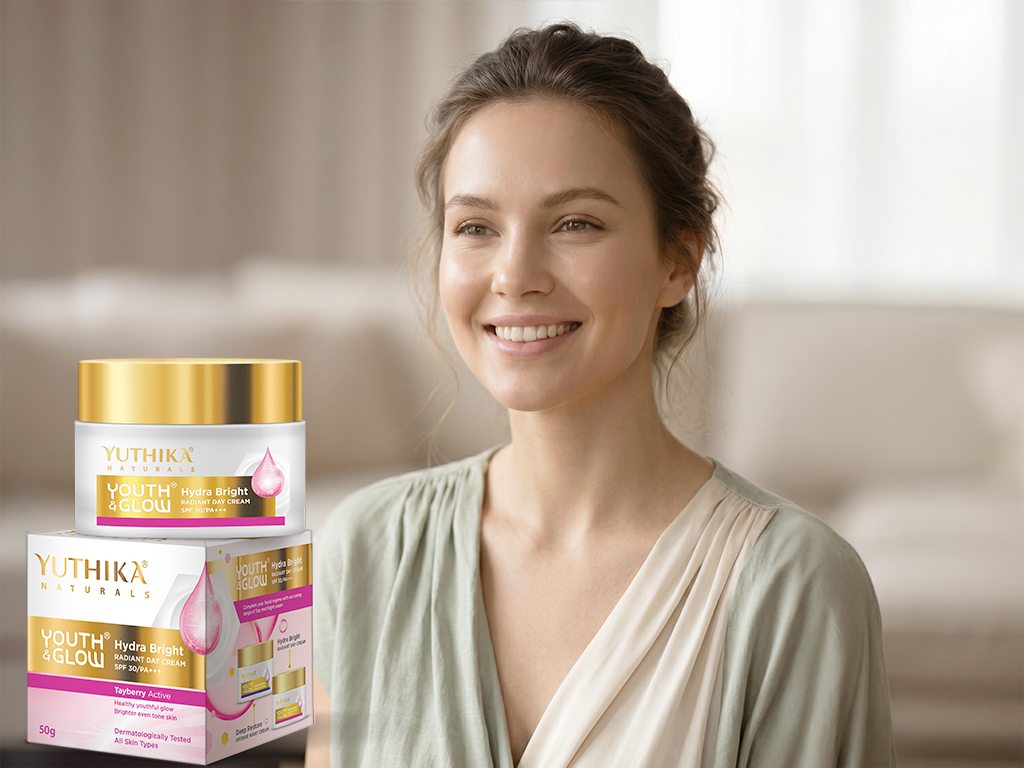
Maintaining firm, radiant, and hydrated skin becomes a top priority as the years pass. While shelves are lined with serums, toners, and specialized treatments, the true cornerstone of any effective skincare routine remains a high-quality anti-aging moisturizer. Far more than a simple hydrator, a well-formulated anti-aging moisturizer works on a cellular level to replenish lost moisture, repair the skin barrier, and target visible signs of aging such as fine lines, wrinkles, and loss of elasticity.
Understanding how skin changes over time and why daily moisturization is critical can transform the way you care for your complexion.
Understanding How Skin Ages
To appreciate the role of an anti-aging moisturizer, it helps to understand what happens beneath the surface as skin matures. Starting in your mid-twenties, the body’s natural production of collagen and elastin begins to decline by roughly one percent each year. Collagen provides structural support and firmness, while elastin allows skin to bounce back after facial expressions. As these proteins diminish, skin gradually becomes thinner, looser, and more prone to creasing.
At the same time, sebaceous glands produce less natural oil, and the skin’s ability to retain water decreases. Natural levels of hyaluronic acid and ceramides—two compounds responsible for keeping skin plump and resilient—drop significantly. Without adequate moisture and lipid support, the outermost layer of the skin becomes compromised, leading to chronic dryness, rough texture, and heightened sensitivity to environmental stressors like ultraviolet rays and pollution.
How an Anti-Aging Moisturizer Works
A standard lotion primarily sits on the surface to relieve temporary dryness. In contrast, an anti-aging moisturizer combines deep hydration with biologically active ingredients designed to slow down and reverse visible skin damage. It operates through three primary mechanisms: attracting water, locking in moisture, and stimulating cellular renewal.
Replenishing Lost Hydration
Dehydrated skin immediately emphasizes fine lines and makes the complexion appear dull and tired. An effective anti-aging moisturizer utilizes humectants—such as hyaluronic acid and glycerin—to draw water from the environment and deeper skin layers into the epidermis. This instant surge of hydration plumps skin cells, smoothing out dehydration lines and restoring a healthy, dewy glow.
Strengthening the Skin Barrier
The stratum corneum, or skin barrier, acts as a protective shield against bacteria, allergens, and moisture loss. Aging, harsh cleansers, and cold weather can weaken this barrier, resulting in transepidermal water loss. By incorporating emollients and occlusives like ceramides, squalane, and shea butter, an anti-aging moisturizer seals microscopic cracks in the skin barrier, ensuring hydration stays locked in throughout the day and night.
Supporting Collagen and Cell Turnover
Beyond hydration, modern anti-aging formulas deliver targeted actives that encourage skin regeneration. Ingredients like peptides, retinoids, and antioxidants penetrate the upper layers of the skin to stimulate collagen synthesis, accelerate the shedding of dead skin cells, and neutralize free radicals before they can break down healthy tissue.
Key Ingredients to Look For
Not all moisturizers deliver the same results. When selecting an anti-aging moisturizer, checking the ingredient label ensures you are investing in proven, science-backed compounds.
Hyaluronic Acid
Capable of holding up to one thousand times its weight in water, hyaluronic acid is a gold-standard humectant. Multi-molecular weight hyaluronic acid penetrates different depths of the skin, providing both immediate surface smoothing and lasting sub-surface hydration without feeling heavy or greasy.
Retinoids and Bakuchiol
Retinol and other vitamin A derivatives remain the most thoroughly researched ingredients for reducing wrinkles, fading dark spots, and refining skin texture. For individuals with sensitive skin who experience irritation from traditional retinol, plant-derived bakuchiol offers comparable collagen-boosting benefits in a gentler formulation.
Peptides
Peptides are short chains of amino acids that act as messengers, signaling skin cells to produce more collagen and elastin. Regular application of a peptide-rich anti-aging moisturizer helps improve skin density, firmness, and overall bounce.
Ceramides and Niacinamide
Ceramides are naturally occurring lipids that make up roughly half of the skin’s outer barrier. Pairing ceramides with niacinamide (vitamin B3) strengthens skin resilience, minimizes the appearance of enlarged pores, evens out skin tone, and calms redness.
Antioxidants
Environmental exposure generates unstable molecules called free radicals, which accelerate premature aging. Antioxidants such as vitamin C, vitamin E, green tea extract, and coenzyme Q10 neutralize oxidative stress and boost the protective power of your daily sunscreen.
The Long-Term Benefits of Daily Consistency
Using an anti-aging moisturizer sporadically will yield minimal improvement; true transformation comes from consistent morning and evening application. Over weeks and months of daily use, skin becomes noticeably more supple, resilient, and luminous. Well-hydrated skin heals faster, tolerates active treatments better, and resists the formation of deep-set expression lines.
Furthermore, applying moisturizer to slightly damp skin immediately after cleansing maximizes absorption and prevents water from evaporating off the face. During the daytime, pairing your moisturizer with a broad-spectrum sunscreen of SPF 30 or higher protects newly regenerated skin cells from UV-induced collagen breakdown. At night, when the body enters its natural repair mode, a richer anti-aging moisturizer supports overnight recovery and cellular turnover.
Choosing the Right Formula for Your Skin Type
Selecting the right texture is essential for making daily moisturization effortless and enjoyable. Those with dry or mature skin benefit most from rich, lipid-dense creams containing ceramides, fatty acids, and nourishing botanical oils. Individuals with oily or acne-prone skin should not skip moisturizer; instead, lightweight, non-comedogenic gel-creams formulated with hyaluronic acid and niacinamide provide essential hydration without clogging pores. Sensitive skin types thrive with fragrance-free, hypoallergenic formulas focused on barrier repair and soothing ingredients like centella asiatica and colloidal oatmeal.
Investing in the right anti-aging moisturizer is one of the simplest yet most impactful decisions you can make for your skin’s future. By delivering vital hydration, fortifying your protective barrier, and supplying targeted anti-aging actives every single day, it lays the foundation for a smoother, firmer, and genuinely youthful-looking complexion at every age.