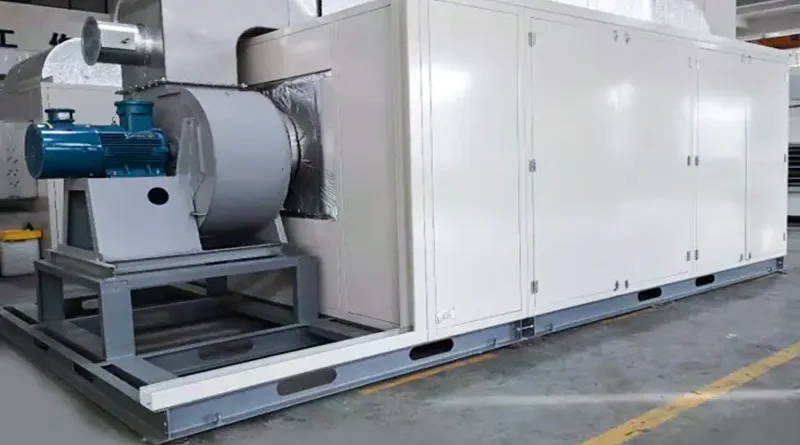
How Lithium Battery Dehumidifiers Enhance Production Safety and Operational Efficiency
In modern manufacturing environments, controlling humidity is critical to maintaining product quality, operational efficiency, and workplace safety. Excess moisture in the air can cause a wide range of problems, including corrosion of machinery, degradation of raw materials, and increased risk of mold growth. This is where lithium battery dehumidifiers have emerged as an innovative solution, offering manufacturers a more flexible, efficient, and safe approach to humidity management.
The Role of Humidity Control in Manufacturing
Humidity management is a crucial aspect of many manufacturing processes. High levels of moisture can negatively affect sensitive equipment, electronics, and raw materials, leading to delays, increased maintenance costs, and even product defects. For example, in electronics manufacturing, moisture can interfere with soldering processes, causing weak or faulty connections. Similarly, in metal fabrication or chemical production, excess humidity can lead to corrosion or unwanted chemical reactions.
Traditional dehumidification systems often rely on electricity from the main power grid, which can limit flexibility and increase operating costs. They may also require complex installation and maintenance, further straining manufacturing resources. This has created a growing need for alternative dehumidification technologies that can deliver consistent performance without disrupting production schedules.
Advantages of Lithium Battery Dehumidifiers
Lithium battery dehumidifiers have become increasingly popular in manufacturing settings because they address many of the limitations of conventional dehumidifiers. These units are powered by rechargeable lithium-ion batteries, which provide several key benefits:
Portability and Flexibility
Unlike traditional dehumidifiers that are tethered to power outlets, lithium battery dehumidifiers are portable. This allows them to be easily moved between different areas of a manufacturing facility, providing targeted moisture control where it is needed most. Manufacturers can deploy these units in storage areas, production lines, or temporary workspaces without worrying about power availability or extensive wiring.
Continuous Operation During Power Interruptions
Manufacturing facilities are highly dependent on consistent environmental conditions. Power outages or electrical disruptions can halt traditional dehumidifiers, putting products and machinery at risk. Lithium battery dehumidifiers, however, can continue operating during such interruptions, ensuring that humidity levels remain under control and production continues smoothly.
Energy Efficiency and Cost Savings
Lithium battery technology is inherently more energy-efficient than conventional grid-powered dehumidifiers. By using batteries that can be recharged and optimized for low energy consumption, these dehumidifiers reduce overall electricity usage. This translates into lower operating costs, making them a sustainable and economically advantageous choice for manufacturers.
Reduced Heat Emission
Many traditional dehumidifiers generate heat as a byproduct of their operation, which can impact temperature-sensitive manufacturing processes. Lithium battery dehumidifiers typically produce less heat, helping to maintain a stable working environment. This is particularly important in industries like pharmaceuticals, electronics, and food processing, where precise temperature and humidity control are critical.
Enhancing Manufacturing Safety
Beyond efficiency, lithium battery dehumidifiers contribute significantly to workplace safety. Excess moisture can create slippery floors, increase the risk of electrical hazards, and promote the growth of mold and bacteria. By maintaining optimal humidity levels, these dehumidifiers help reduce the risk of accidents and health issues among workers.
Minimizing Electrical Risks
Lithium battery dehumidifiers reduce dependency on long extension cords and multiple power outlets, which can be a source of tripping hazards or electrical faults in busy manufacturing floors. Their self-contained power supply ensures safe operation even in areas where electrical wiring is limited or prone to damage.
Controlling Mold and Microbial Growth
High humidity can encourage mold, fungi, and bacteria to thrive, potentially contaminating products or endangering employees’ health. By keeping humidity within a controlled range, lithium battery dehumidifiers create a healthier working environment and help manufacturers comply with occupational safety and health regulations.
Safe Handling of Sensitive Materials
Some manufacturing processes involve materials that are highly sensitive to moisture, such as powders, chemicals, or electronic components. Lithium battery dehumidifiers can be positioned strategically near these materials, maintaining a dry environment and preventing accidents or product spoilage. Their portability allows for immediate response to humidity fluctuations, enhancing overall operational safety.
Optimizing Production Efficiency
Lithium battery dehumidifiers improve manufacturing efficiency by stabilizing environmental conditions. Consistent humidity levels lead to fewer product defects, reduced downtime, and less frequent maintenance of machinery. This has a direct impact on production throughput and overall operational costs.
Protecting Equipment Longevity
Moisture can accelerate wear and tear on machinery, causing rust, corrosion, and malfunction. By maintaining optimal humidity levels, lithium battery dehumidifiers extend the lifespan of expensive equipment and reduce unplanned maintenance interventions. This not only saves money but also ensures that production schedules are not interrupted by unexpected breakdowns.
Improving Product Quality
In industries like pharmaceuticals, food processing, and electronics, even small variations in humidity can affect product quality. Lithium battery dehumidifiers maintain consistent moisture levels, ensuring that products meet quality standards and reducing the likelihood of costly recalls or rework. Manufacturers benefit from higher yield rates and improved customer satisfaction.
Facilitating Lean Manufacturing Practices
Modern manufacturing emphasizes lean processes, which aim to minimize waste and maximize efficiency. Portable, battery-operated dehumidifiers align perfectly with these principles. Their flexibility allows for quick deployment, targeted humidity control, and streamlined maintenance, supporting continuous improvement initiatives across the production floor.
Environmental and Operational Sustainability
Lithium battery dehumidifiers also contribute to greener manufacturing practices. Their energy efficiency reduces carbon emissions, while their portability allows for flexible usage without extensive infrastructural changes. Manufacturers can implement sustainable humidity control without major capital investments or disruptive installations, making it easier to adopt eco-friendly practices.
Conclusion
Lithium battery dehumidifiers represent a transformative approach to humidity control in manufacturing environments. Their combination of portability, energy efficiency, and safety benefits allows manufacturers to optimize production processes, maintain product quality, and ensure a safer workplace. By integrating these devices into modern manufacturing operations, businesses can achieve operational resilience, reduce costs, and create a healthier environment for both employees and products. In an industry where precision and efficiency are paramount, lithium battery dehumidifiers offer a practical and forward-looking solution to one of manufacturing’s most persistent challenges.
These units are more than just a technological convenience—they are a strategic investment in manufacturing efficiency, safety, and sustainability.