A Complete Guide to Multi-Span Film Greenhouses: Design, Features, and Advantages
Introduction to Multi-Span Film Greenhouses
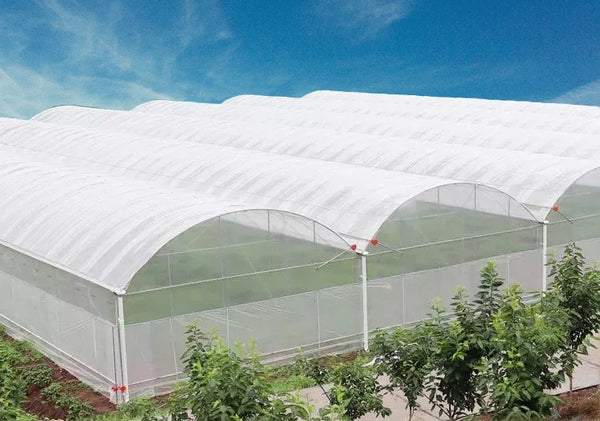
Multi-Span Film Greenhouse structures have become a game-changer in modern agriculture, allowing growers to maximize production while minimizing resource usage. Unlike traditional single-span greenhouses, multi-span designs consist of multiple interconnected bays, creating a larger cultivation area without compromising on structural integrity. This type of greenhouse is particularly suitable for commercial farming, as it enables large-scale production of vegetables, fruits, flowers, and other high-value crops.
The versatility of Multi-Span Film Greenhouse lies in their ability to provide uniform environmental conditions across a wide area. By using durable film covers, these structures protect crops from extreme weather, pests, and diseases while ensuring optimal sunlight transmission. For farmers looking to expand operations efficiently, understanding the design principles and benefits of Multi-Span Film Greenhouses is essential.
Design Features of Multi-Span Film Greenhouses
Structure and Frame
The backbone of a Multi-Span Film Greenhouse is its frame. Typically, galvanized steel or aluminum is used for the framework due to its durability, resistance to corrosion, and ability to withstand harsh weather conditions. The frame is designed with multiple spans connected by central support arches. These spans can range from 6 meters to 12 meters in width, and the length is often customized based on the available land and production needs.
Film Covering Material
The covering material used in Multi-Span Film Greenhouses is usually polyethylene (PE) film, which comes in single or double layers. Double-layer films, also known as inflated films, provide better insulation by creating an air cushion between layers. This design helps maintain consistent internal temperatures, reducing heating costs during colder months and ensuring crops grow in optimal conditions.
Ventilation and Climate Control
Effective ventilation is critical for maintaining an ideal microclimate inside the greenhouse. Multi-Span Film Greenhouses often feature ridge vents, side vents, and roll-up sides to enhance airflow. Automated climate control systems, including fans, heaters, and misting systems, can be integrated to regulate temperature and humidity. These features ensure that crops receive adequate air circulation, preventing fungal growth and improving overall plant health.
Foundation and Drainage
A well-constructed foundation is essential to support the weight of the greenhouse structure and resist external forces such as wind and snow. Concrete footings or ground anchors are commonly used to secure the frame. Proper drainage systems, including sloped floors and perimeter ditches, prevent waterlogging, which could otherwise damage crops and compromise the greenhouse’s structural integrity.
Benefits of Multi-Span Film Greenhouses
Increased Production Capacity
One of the most significant advantages of Multi-Span Film Greenhouses is the ability to cultivate larger areas efficiently. By connecting multiple spans, farmers can significantly increase their production capacity without the need for multiple separate structures. This is especially beneficial for commercial growers who require consistent yields throughout the year.
Cost-Effective Solution
Compared to glass greenhouses, Multi-Span Film Greenhouses are more cost-effective to construct and maintain. The film covering is lightweight, affordable, and easy to replace, reducing overall operational expenses. Additionally, the modular design allows growers to expand their greenhouses incrementally as their business grows, minimizing upfront investment costs.
Enhanced Environmental Control
Maintaining a controlled environment is critical for high-yield farming. Multi-Span Film Greenhouses offer superior climate regulation compared to open-field cultivation. The use of high-quality film covers ensures maximum sunlight penetration while protecting crops from harmful UV rays. Combined with ventilation systems and climate control equipment, these greenhouses provide an ideal environment for year-round production of various crops.
Reduced Pest and Disease Incidence
The enclosed environment of Multi-Span Film Greenhouses reduces the risk of pest infestations and disease outbreaks. By limiting exposure to external contaminants, farmers can decrease the use of chemical pesticides, promoting healthier crop growth and sustainable farming practices. Additionally, integrated pest management systems can be easily implemented within these structures for better crop protection.
Flexibility and Adaptability
Multi-Span Film Greenhouses offer remarkable flexibility in terms of crop selection and cultivation techniques. Growers can use raised beds, hydroponic systems, or soil-based cultivation depending on the crop requirements. The spacious design allows for efficient installation of irrigation systems, lighting, and shading nets. Furthermore, the modular nature of these greenhouses makes them adaptable to various terrains and land sizes.
Energy Efficiency
Double-layer film coverings in Multi-Span Film Greenhouses improve thermal insulation, reducing energy consumption for heating and cooling. Some designs also incorporate thermal screens and reflective materials to optimize energy use further. This energy efficiency not only lowers operational costs but also contributes to environmentally sustainable farming practices.
Considerations for Selecting a Multi-Span Film Greenhouse
When planning to invest in a Multi-Span Film Greenhouse, several factors must be considered to ensure optimal performance. The choice of film quality is crucial, as UV-resistant and anti-drip films prolong lifespan and reduce maintenance needs. The width and height of spans should be determined based on crop type, growth requirements, and ease of machinery movement.
It is also important to evaluate climate control and irrigation systems, as these directly impact crop yield and quality. Selecting a reliable supplier and installer ensures that the greenhouse is constructed according to international standards, providing long-term durability and performance.
Conclusion
Multi-Span Film Greenhouses have transformed modern agriculture by offering a scalable, cost-effective, and efficient solution for high-yield crop production. Their thoughtful design, combining durable frames, protective film coverings, and advanced climate control systems, ensures that crops thrive in a controlled environment.
From increased production capacity to reduced pest risks and energy-efficient operations, the benefits of Multi-Span Film Greenhouses are substantial. For commercial growers seeking to optimize their operations, understanding the design principles and strategic advantages of these greenhouses is key. Investing in a well-constructed Multi-Span Film Greenhouse can lead to higher yields, improved crop quality, and long-term agricultural sustainability.